
 Clear scope. Clean execution.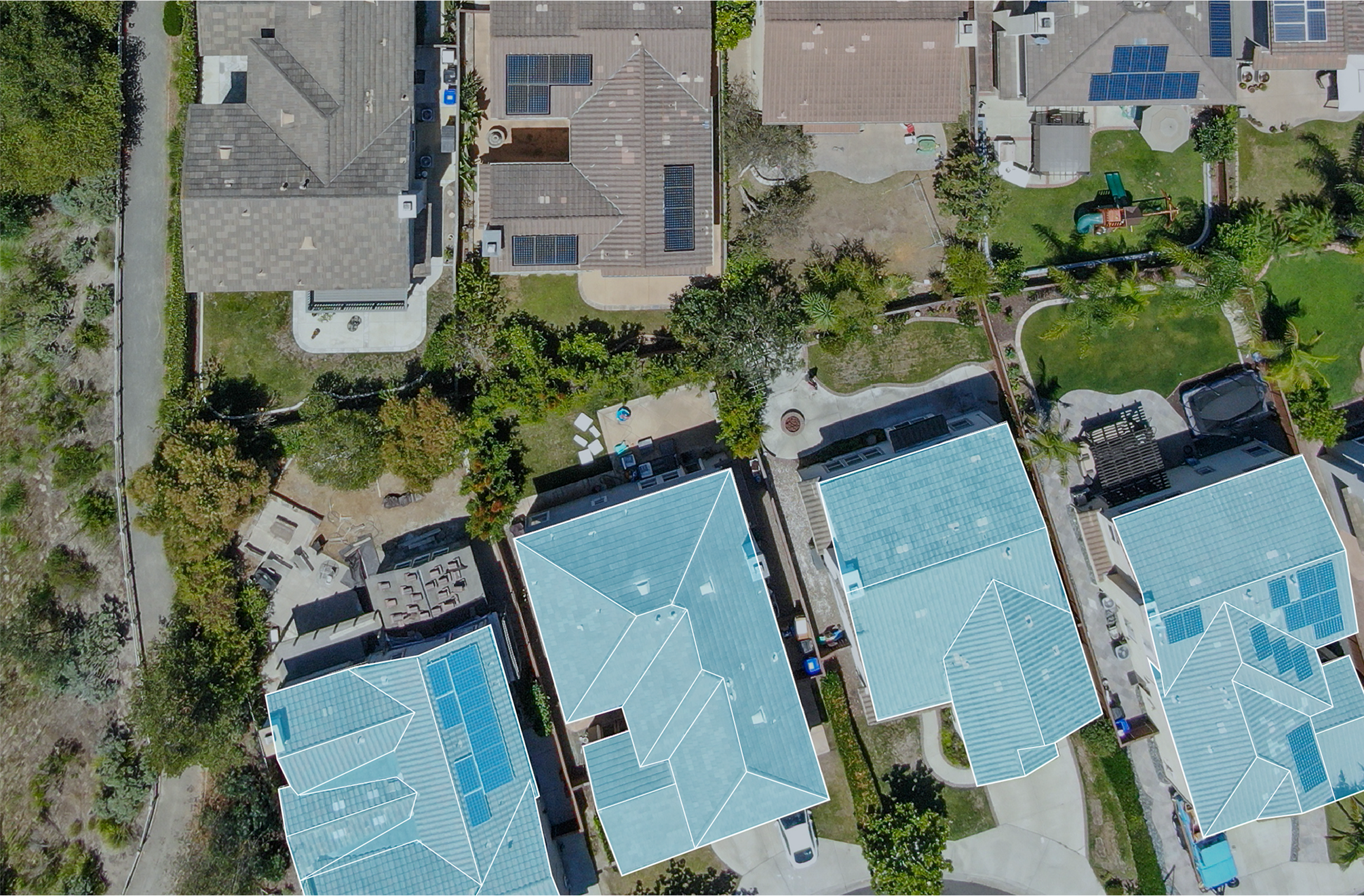
Annual and semi-annual roof inspections are the operational foundation of every commercial roof asset in San Antonio. They are also the maintenance documentation that keeps manufacturer warranties active - GAF, Carlisle, Johns Manville, Sika, and Versico all require documented inspections at regular intervals. An inspection that does not produce a written report with photographs did not happen, as far as the manufacturer is concerned.
San Antonio's climate dictates a specific inspection calendar that is different from what a generic national protocol would recommend. The two moments that produce the most latent damage in the city's commercial roof inventory are the weeks following the February-March freeze season and the weeks following the July-August peak heat cycle. A February freeze - the kind that Uri demonstrated in 2021 - cracks flashing details, stresses seam welds at expansion joints, and produces ice-dam damage on low-slope roofs that were never designed for sustained ice loads. August thermal cycling pushes membrane and flashing materials past their installed parameters. Inspecting after each of those events - rather than at arbitrary calendar dates - is the rational protocol for San Antonio buildings.
Our inspection process at Commercial Roofers of San Antonio covers every building in our portfolio on a zone-keyed protocol we developed for the San Antonio commercial inventory. We divide the roof into numbered zones based on drainage division, roof section, and membrane system. Every deficiency gets photographed, tagged to its zone, described in plain language, and assigned a severity rating and a recommended scope. The building owner gets a written report they can use - for capital budgeting, for insurance documentation, for presenting a capital ask to a board, or for handing to the next contractor to verify.
Why Timing Matters - Post-Freeze and Post-Summer Inspection Windows
The post-freeze window runs from late February through mid-March in a typical San Antonio year. This is when the damage from the winter freeze season is visible and diagnosable. Thermal cycling from freeze events cracks pipe boot flashings, opens seam welds at high-stress points, separates metal edge copings, and deforms drain collars on older systems. The damage is present in the weeks after a freeze event and then becomes harder to attribute to the freeze as additional weather cycles layer over it. Inspecting in this window lets us document and attribute the damage accurately.
The post-summer window runs from mid-September through October after the peak heat load breaks. July and August push San Antonio commercial roof surfaces to 160°F to 170°F on dark membranes. That thermal load stresses adhesive bonds on fully adhered systems, accelerates insulation compression under rooftop equipment, and reveals ponding locations as the summer storm season leaves water on the roof surface. A September inspection documents the accumulated summer damage and sets the repair scope for the fall work season - which is the best weather window for planned repair in San Antonio.
Buildings on annual inspection get one visit in each of these windows. Buildings on semi-annual protocols get one in each window. Buildings on our maintenance contracts get both windows plus a third visit if a significant weather event - hail, named storm, flash flood - triggers an event inspection.
Zone-Keyed Photo Log - How the Documentation Works
Every roof we inspect gets a zone diagram before the first inspection. Zones are defined by drainage division and roof section - so a 100,000 sq ft warehouse with four drain basins gets four primary zones, each with sub-zones for flashings, penetrations, equipment curbs, and drains. Zone numbers are permanent - they do not change between inspection cycles. Zone 3A in the 2022 inspection report refers to the same physical area of the roof as Zone 3A in the 2025 report.
During the inspection walk, the inspector photographs each deficiency with a GPS-tagged photo that is matched to the zone diagram. The photo set is organized by zone and by deficiency type - membrane deficiencies, flashing deficiencies, drainage deficiencies, equipment curb deficiencies - so the owner can navigate the report without reading it linearly.
Each deficiency entry in the written report includes: the zone number and sub-zone, a plain-language description of the deficiency, the severity rating (immediate action, within 90 days, next annual cycle, monitor), and a recommended scope. The scope column is not a proposal - it is a description of what fixing the deficiency requires, written so the owner can evaluate it and get competitive bids if they want to.
What We Look For - The Inspection Checklist for SA Commercial Buildings
Membrane surface: Blistering, splitting, ponding evidence (tide lines and algae growth), UV chalking on aged EPDM and modified bitumen, seam probe testing on TPO and PVC. Approximately 30% of the deficiencies we document on San Antonio roofs are membrane-surface issues that are invisible from the ground and only visible during a close-up walk.
Flashings: Pipe boot flashings, curb flashings, parapet copings, edge metal, expansion joint covers. Flashing failure is the most common source of active leaks on San Antonio commercial roofs. On buildings constructed before 2000, lead pipe boots and two-piece aluminum copings are often at or past service life.
Drainage: Drain bowls, drain collars, roof-level overflow drains, scuppers. San Antonio's clay soil and limestone drainage patterns produce buildings where the roof drainage was never quite right from original construction. We document ponding areas with measurements - any standing water deeper than one-quarter inch at 48 hours post-rain is a ponding condition that needs to be addressed.
Penetrations and rooftop equipment: Conduit penetrations, exhaust fans, HVAC equipment curbs, gas line penetrations, skylights. Equipment curbs are a high-failure area on older San Antonio commercial buildings - the curb flashing detail degrades as the equipment is replaced and the crews doing the equipment replacement are not roofing contractors.
Parapet and structural: Parapet wall cap flashing, counterflashing reglets, masonry crack patterns that indicate structural movement. San Antonio's limestone karst substrate produces settlement patterns in older commercial buildings that express as parapet cracks and expansion joint failures.
Frequently asked questions
How much does a commercial roof inspection cost in San Antonio?
Our inspection fees are based on building footprint and roof complexity - not on the number of deficiencies we find. A straightforward warehouse or retail building under 50,000 sq ft runs a flat inspection fee. Medical campus buildings, multi-level institutional roofs, and buildings with dense rooftop equipment have higher fees because the inspection takes longer and the documentation is more complex. We quote the fee before we schedule the inspection.
Does a roof inspection satisfy the manufacturer's warranty maintenance requirement?
It depends on the manufacturer and the warranty tier. Most 20-year NDL warranties from GAF, Carlisle, JM, Sika, and Versico require documented annual inspections by a manufacturer-authorized contractor. Our written inspection reports document the scope, findings, and any corrective work performed - in the format most manufacturers accept for warranty maintenance records. We verify the specific maintenance requirement for your warranty before we inspect.
What if you find a problem during the inspection?
The inspection report documents the finding and describes the recommended scope. We do not pressure-sell repairs during the inspection visit. After the report is delivered, we can provide a separate repair proposal if the owner wants one from us - or the owner can take the report and scope description to any contractor. The report belongs to the owner and is written to be legible to any qualified roofing contractor.
Schedule a commercial roof inspection for your San Antonio building.
Our project managers will walk the roof, document every deficiency on the zone diagram, and produce a written report you can use for capital planning, warranty maintenance, or insurance documentation.
Request a Roof Scope