
 Clear scope. Clean execution.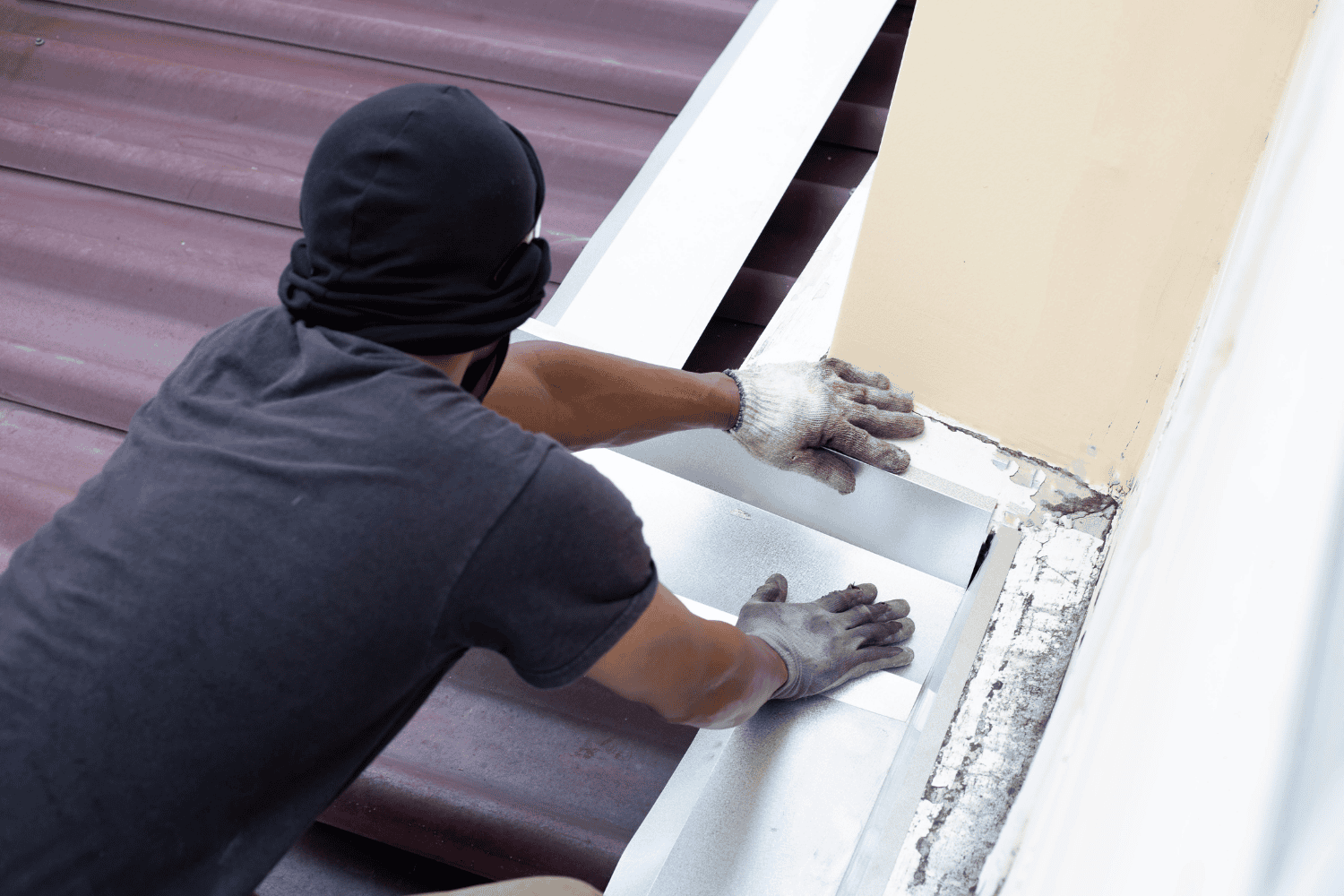
Most flat-roof leaks in San Antonio commercial buildings trace back to a handful of recurring failure modes - parapet flashing separation, drain obstruction and ponding, seam stress at expansion joints, and penetration flashing shrinkage from the thermal swing between a 103°F July afternoon and a rare hard freeze. We have traced these same patterns on buildings along the IH-35 South industrial corridor, at the medical office buildings near the South Texas Medical Center on Fredericksburg Road, and at the Pearl District mixed-use buildings north of downtown. The failure mode drives the repair scope.
We do not quote repairs over the phone. A project manager walks the roof, identifies the water entry point, traces the travel path to the actual breach - which is often several feet away from the interior ceiling stain - and produces a written repair scope with photos. That scope goes to you before any work begins. For buildings under active manufacturer warranties, we document the repair to the manufacturer's standard so the warranty is not voided by an undocumented patch.
Failure Modes We Repair Most Often on San Antonio Commercial Roofs
Parapet flashing separation: Parapets are the most common leak source on San Antonio flat roofs. The limestone-influenced substrate underlying much of San Antonio - the Edwards Aquifer recharge zone extends through most of the metro - produces differential settlement that stresses masonry parapets at their base. Counter-flashings separate, coping caps rock, and through-wall flashing laps open. We re-flash with two-piece counterflashing systems and specify coping caps with sealant profiles sized for San Antonio's thermal swing.
Seam and lap failures: TPO, EPDM, and modified bitumen seams fail in San Antonio for two distinct reasons. On roofs installed in the early 2000s, TPO formulations from that era degraded faster than expected under the South Texas UV index, leaving seam welds that appear intact but have lost their bond. On newer roofs, field seams that were installed during the peak afternoon heat - when substrate temperatures exceed 130°F - never achieved a full weld. We probe-test seams to find open laps before they fail and weld or re-seam them to manufacturer standard.
Drain obstruction and ponding: San Antonio's cottonwood and live oak tree populations shed debris that accumulates at roof drains. Overflows from blocked drains pond behind parapet walls - the same parapet walls that have the flashing separation described above. We clear drains, install drain covers appropriate for the debris load at the specific building, and assess whether the ponding pattern has caused insulation saturation that requires replacement.
Penetration flashing shrinkage: Every pipe boot, equipment curb, and duct penetration through a San Antonio commercial roof cycles between extreme summer heat and the occasional hard freeze. That thermal cycling shrinks pitch pans and pipe-boot material over time, pulling the flashing away from the penetration. Post-Uri inspections in 2021 found widespread penetration flashing failures on roofs that had been leak-free for years - the hard freeze was the final stressor on flashings already at the end of their elastic life.
How We Scope a Commercial Roof Repair
The interior ceiling stain is the starting point, not the conclusion. Water travels. On a low-slope commercial roof, the breach point can be 20 to 30 feet upslope from the interior stain, routed along structural tees or insulation joints. We walk the full roof, not just the area above the reported leak. We probe flashings, test seams, and look for the ponding pattern at drains and parapets.
If the roof is under a manufacturer warranty, we pull the warranty documentation before writing the repair scope. Manufacturer warranties require repairs to be executed to specific standards - approved materials, proper lap dimensions, documented photos. A repair that does not We write warranty-aligned repair scopes that preserve the coverage the owner paid for.
On older roofs approaching end of useful life, we flag the decision point explicitly. If a 22-year-old modified bitumen roof on a Westside warehouse needs a repair that costs more than 15 percent of replacement cost, we say so and give the owner a replacement scope alongside the repair scope. Repairing a roof that should be replaced is not a service we want to sell.
Documentation We Deliver After Every Repair
Every repair we execute gets a written closeout package: before-and-after photos of every breach location, a description of the repair method and materials (including manufacturer name and product code), and a written statement of what we found and what we did. On warranty repairs, we include the manufacturer's repair documentation and notify the manufacturer's warranty department as required.
For building owners managing multiple properties - the property management companies running the downtown hotel corridor buildings or the REIT-owned industrial facilities along the IH-35 South corridor - we format repair documentation so it integrates into a capital expenditure tracking system. The photo-keyed report is the asset record for the next inspection, the next insurance renewal, and the eventual replacement decision.
Frequently asked questions
How do you find the actual source of a flat-roof leak in a San Antonio commercial building?
We start with the interior location of the leak - ceiling tile, wall, or equipment - and work backward to the roof surface. We check the penetration directly above, then the upslope parapet flashing, then the drain, then any seam or lap in the drainage path. We use a probe tool on every seam and flashing in the suspect zone. On difficult-to-locate leaks we can use an electronic leak detection scan on EPDM or TPO roofs - the scan identifies breaches in the membrane that are not visible to the eye.
Will a repair void my manufacturer warranty?
A repair done to the manufacturer's specification - with approved materials, correct lap dimensions, and proper documentation - will not void the warranty. An undocumented patch with non-approved materials will. We write warranty-aligned repair scopes and notify the manufacturer's warranty department when a warranty repair has been executed. If you are not sure whether your roof is under warranty, we can help you track down the original warranty documentation.
How quickly can you get to a San Antonio commercial building for a roof repair?
For buildings in the urban core - downtown, Pearl District, Medical Center, Riverwalk corridor - we can typically schedule a roof walk within one to two business days. For non-emergency repair scoping on the outer ring - Stone Oak, Brooks City Base, Leon Valley - allow three to five business days. Emergency dry-in response is faster; see our emergency repair page for response tiers.
Can you repair a roof that you did not install?
Yes. Most of the repair work we do is on roofs installed by other contractors. We document the existing system, identify the failure mode, and repair to the applicable standard. If the roof is under a warranty from the original installing contractor or from a manufacturer, we flag that before starting work - some manufacturer warranties require that warranty repairs be executed by a credentialed installer, and we will coordinate that process if applicable.
Get a written repair scope for your San Antonio commercial roof.
We walk the roof, trace the failure mode, and produce a written scope with photos before any work begins. Warranty-aligned documentation on every repair.
Request a Roof Scope