
 Clear scope. Clean execution.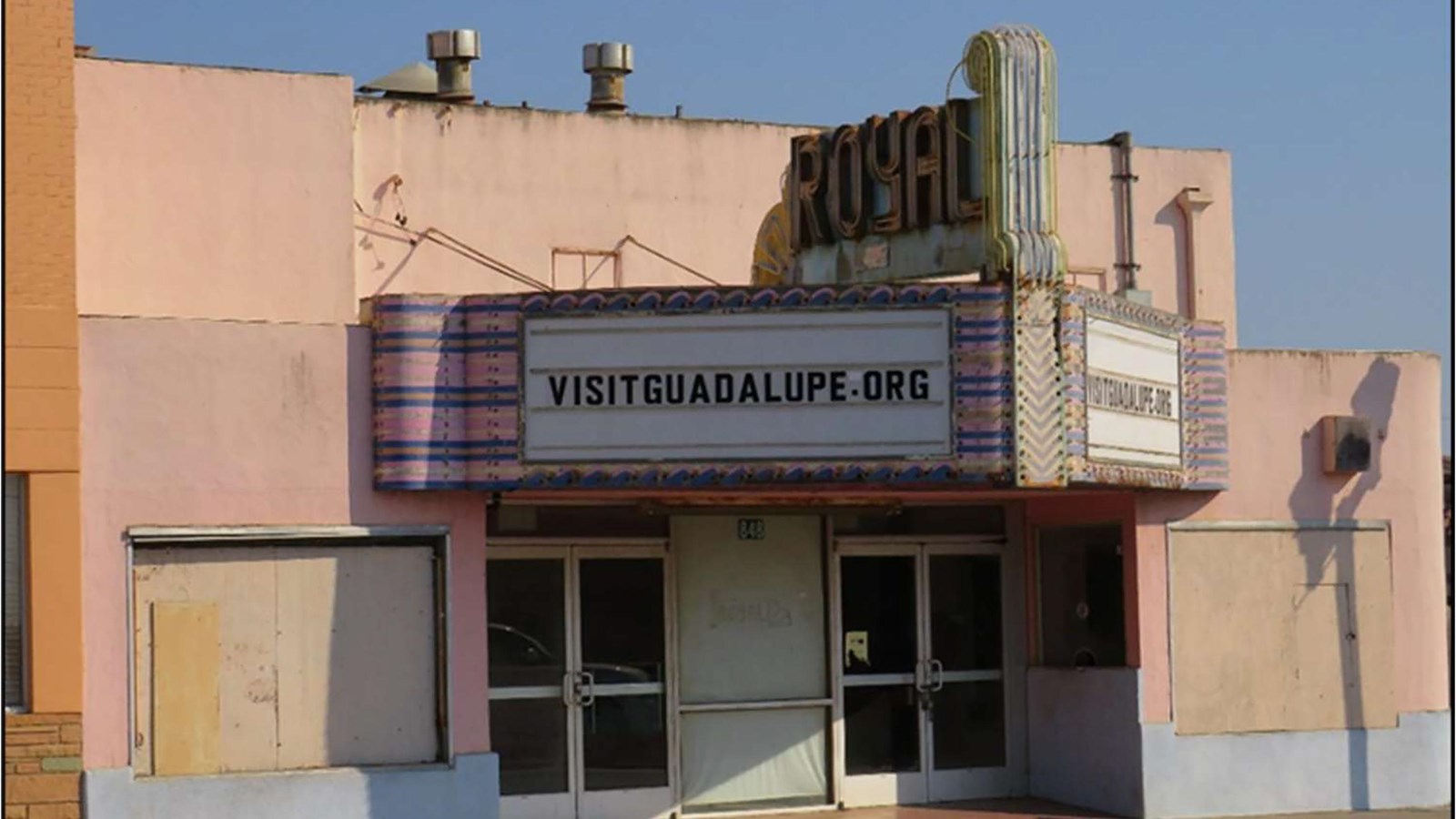
Movie Theater & Cinema Roofing in San Antonio, TX
Stand on the roof of a multiplex and you are standing over rooms that have no columns. Each auditorium is a long clear span, often eighty to a hundred and fifty feet wall to wall, engineered so nobody's view of the screen is interrupted. That open structure is the whole reason a cinema roof is its own discipline. The deck above those spans deflects and works under wind and thermal load in ways a chopped-up retail roof never does, and a fastening pattern lifted from a strip-center template will not hold the way it should over that kind of span. We confirm the deck type and the span before we decide how the membrane gets attached, because the structure underneath drives the answer.
The other defining feature is overhead clutter. A theater packs its mechanical onto the roof: frequently a rooftop unit per auditorium so each house can be conditioned independently, plus concession exhaust, lobby heating vents, and condensers for the walk-in coolers behind the snack bar. The penetration cluster over a busy multiplex rivals what we see on a hospital. Every curb, duct, and conduit run gets flashed and documented individually before new membrane goes over it, because one neglected curb in that crowd is the leak that lands on a seat in House 7.
Where the Screens Are in San Antonio
San Antonio's cinema map follows its retail-and-dining destinations. The Rim and La Cantera up at the I-10 and 1604 interchange anchor the affluent northwest, where premium large-format houses and dine-in concepts mean bigger auditoriums and far heavier kitchen exhaust on the roof. The Alamo Quarry Market near Highway 281 holds an established multiplex inside a redeveloped retail district. And the suburban rings out toward Alamo Ranch and the far-north 1604 corridor have drawn newer recliner-house cinemas built into mixed retail centers. Each of those settings changes the roof: a dine-in theater carries grease-laden exhaust and more condensers, while a classic stadium-seating multiplex is mostly clear-span deck and rows of identical auditorium units.
The age of the building matters as much as its location. A 1990s multiplex near 281 is likely on its original built-up or early modified-bitumen roof and overdue, while a recliner-house from the last decade out on 1604 may still be on its first single-ply. We start every cinema project with a core sample to confirm the existing insulation layers, the moisture content, and the total weight already in place, so the decision between recover and full replacement rests on what the deck is actually carrying rather than a guess from the parking lot.
What a Multiplex Roof Demands
Drainage is the chronic enemy on cinema roofs. Theaters are built flat and broad, and decades of insulation settlement leave water ponding in the valleys between auditorium high points. Our standard answer is a 60-mil or 80-mil mechanically attached TPO over tapered polyisocyanurate, with the taper engineered to push water to the drains and end the ponding that shortens membrane life. White TPO also satisfies the cool-roof energy provisions that San Antonio's commercial reroof permits now apply. Where the deck is concrete over structural steel rather than steel deck, we shift to an adhered or hybrid assembly so we are not driving a dense fastener field into a span that prefers to be loaded evenly.
Acoustics live in the assembly too. The mass and continuity of the roof over an auditorium are part of how sound stays inside the house and how outside noise stays out, so we keep the insulation continuous and the penetrations tightly detailed rather than leaving the shortcuts that telegraph rain noise and bleed sound between houses. The marquee and entry canopy get their own attention: the point where a canopy ties back into the building wall is the single most common chronic leak on an older theater, sitting through constant thermal movement, and we evaluate and re-flash that transition on every cinema reroof.
- Span-rated attachment: deck type and auditorium span verified before fastening, with pull-out testing where the deck is older.
- Tapered drainage engineered to clear ponding between auditorium high points.
- Per-curb flashing for the dense cluster of auditorium units, concession exhaust, and cooler condensers.
- Continuous insulation detailed with acoustics in mind to keep sound in its house.
- Marquee and canopy transitions re-flashed as individual items, not absorbed into the field.
The Dine-In Theater Problem
San Antonio has embraced the dine-in cinema, and that shift changed what these roofs carry. A recliner house that serves a full kitchen pushes grease-laden exhaust through rooftop hoods, and grease is hard on a membrane. It collects around the exhaust fan, breaks down the surface it sits on, and stains a white roof until the reflective benefit is gone. On dine-in houses we detail the area around the kitchen exhaust with grease in mind, specifying membrane and flashing that tolerate the contamination and giving the owner a maintenance path to keep the exhaust zone clean rather than letting it quietly eat the roof. The added condensers for walk-in coolers and beverage systems also crowd the deck, so the penetration map on a dine-in theater is denser than on a traditional multiplex of the same screen count.
Then there is the simple matter of a dark interior. A theater is one of the few buildings where the occupants sit in the dark looking up, which means an active leak is noticed instantly and a stained ceiling tile is lit by the screen for everyone to see. There is no back-of-house to hide a problem in. That reality raises the bar on the small details, the pitch pans and the curb corners, where a roof either holds or does not, and it is why we close those details out with photographs in every cinema package.
Scheduling Around the Show Calendar
Cinemas run from the early matinee deep into the night, seven days a week, which puts them in the same scheduling bracket as a 24-hour building. We plan tear-off and dry-in so every section is watertight before the evening shows start filling seats, and we coordinate with the theater's facilities team on any HVAC shutdown window needed to work a curb, so an auditorium is never left without conditioning during a screening. Loading-dock access for the snack-bar deliveries and HVAC service contractors, plus the marquee's electrical runs, all factor into where the crew stages and when.
Cinema reroofs are priced per roof square after a walk and a core review, accounting for membrane, the condition of the existing assembly, the penetration density, and the access constraints of an occupied entertainment building. Most multiplex jobs include a tapered insulation design, which adds cost up front and pays it back by ending the ponding that otherwise ages the membrane early. If your theater is showing water stains on auditorium ceilings or chronic drips at the entry canopy, we will walk the roof, pull cores, and give you a written scope that says clearly whether you are looking at a repair, a recover, or a replacement.