
 Clear scope. Clean execution.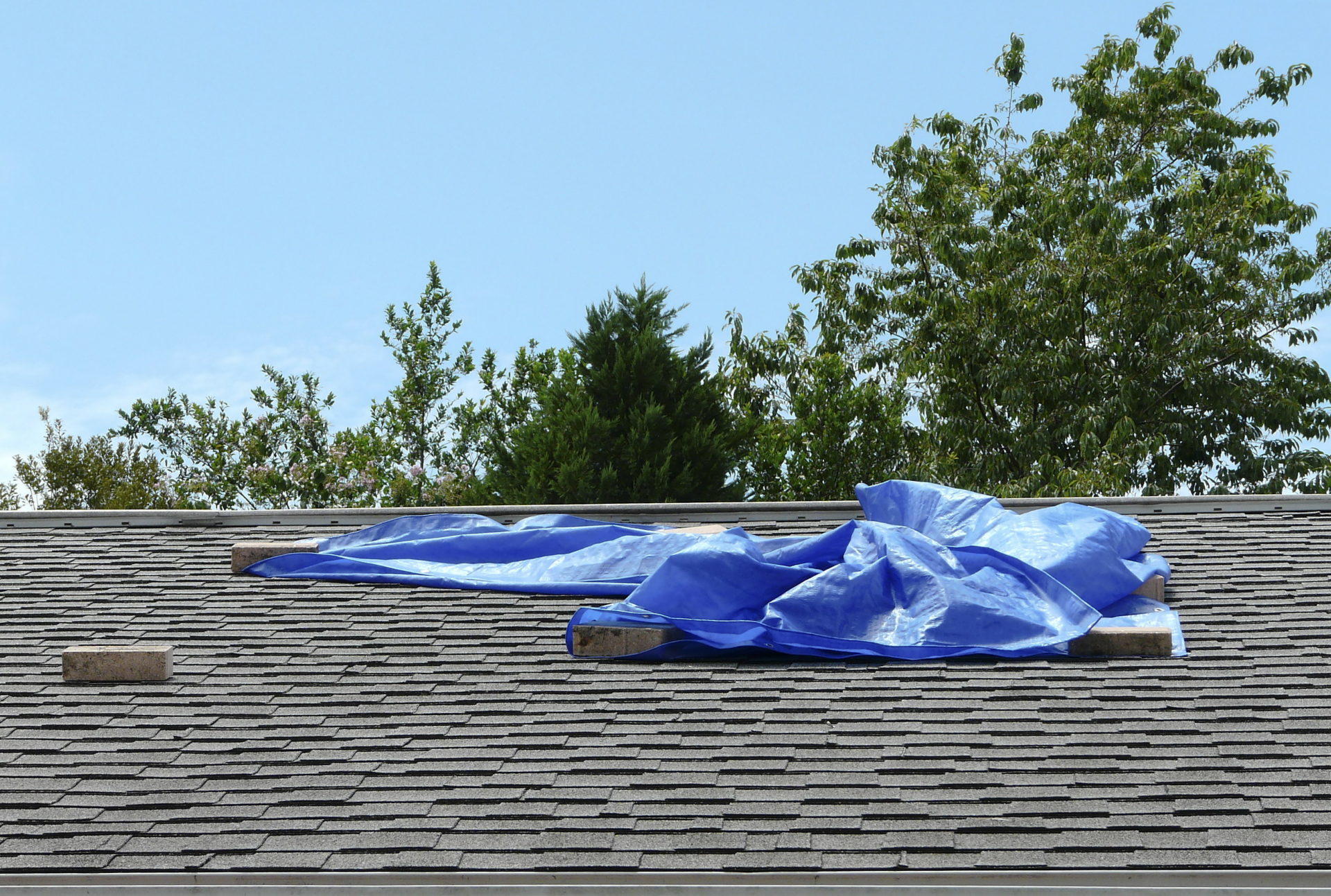
Commercial roof leaks are almost never where they appear to be. Water enters a membrane defect, travels along the top of the insulation or along the deck, and exits through the nearest low point - which may be 30 feet horizontally from the entry point. The most common mistake in commercial leak repair is patching the visible wet ceiling location without tracing the actual entry point. The patch holds for a few weeks, the next rain event finds the same path, and the building owner has spent money twice on the same leak.
We trace leaks before we repair them. Our diagnostic protocol uses a combination of visual inspection at the interior wet area, roof-surface examination above and around the wet area, and - when the entry point is not visually obvious - smoke testing or controlled water testing to establish the water pathway. We have traced leaks in downtown San Antonio office buildings along the Riverwalk corridor where the entry point was at a parapet scupper three bays away from the ceiling stain, and in medical office buildings near the South Texas Medical Center on Fredericksburg Road where the water was traveling along a mechanical conduit from a penetration on the opposite side of the HVAC unit.
We also make a direct distinction between permanent repairs and temporary dry-in. Temporary dry-in - a membrane patch, a layer of sealant, a piece of sheet metal - stops a leak for the current season. A permanent repair closes the water entry path and the conditions that created it. We deliver permanent repairs. When a condition requires temporary dry-in because the permanent repair requires capital budget that is not immediately available, we say so explicitly and document what the permanent repair will require.
Leak Tracing Methods
Visual inspection first: We start at the interior wet area - ceiling stain, wet insulation, active drip - and identify the structural path water would travel from the roof surface to that location. We examine the roof surface in the area directly above, plus all areas upslope from it. Most leaks are traceable visually when you know the common failure points: parapet inside corners, penetration flashings, seam laps within five feet of a drain, and expansion joint covers.
Smoke testing: For leaks that are not visually traceable, we introduce smoke from a smoke machine into the building at or near the wet area. Smoke will exit through any penetration that communicates between the interior and the roof surface, making the leak path visible from the roof. This method works particularly well for leaks around mechanical penetrations, electrical conduits, and gas-line penetrations where the water is traveling down the inside of the conduit or penetration sleeve.
Controlled water testing: Where smoke testing is not conclusive, we use controlled water testing - flooding isolated roof zones with a garden hose and observing the interior for water appearance. We isolate zones systematically from the farthest possible entry point and work toward the wet area. This method is time-intensive but produces definitive results. We document the test procedure and results in writing so the repair scope is fully defensible.
Core pulls at suspect locations: When we suspect the water is traveling through wet insulation rather than along the surface, we pull targeted cores to confirm insulation saturation and map the travel path. Core locations are selected based on the visual and smoke/water testing findings.
Common Commercial Leak Sources in San Antonio
Parapet inside corners: The most common single leak source on San Antonio commercial flat roofs. The inside corner is where two parapet walls meet, and it is the lowest point of the parapet flashing system. Flashing at inside corners is difficult to install correctly - it requires a pre-formed or field-fabricated corner piece, proper lap sequence, and full adhesion. When it fails, water pools at the corner before finding the path through.
Drain bowl deterioration: San Antonio's older commercial stock - buildings from the 1980s and 1990s on the IH- - has cast iron or PVC drain bowls that have deteriorated over multiple reroof cycles. A deteriorated drain bowl leaks at the clamping ring, not at the membrane, and a membrane patch does not fix it. Drain bowl replacement is the only permanent solution.
Penetration flashings on HVAC curbs: Every HVAC curb on a San Antonio commercial roof has been through multiple thermal cycles and, if the building is more than ten years old, likely one or more significant hail events. The curb flashing - the membrane that wraps up the curb wall and under the equipment base - is under constant stress from thermal movement. Sealant at the top of the curb flashing is the most common single-point failure.
Seam failures near drains: Water pooling around drain inlets keeps the membrane seams in that area permanently wet. Seam adhesion degrades faster in permanently wet conditions than in the field. Seam repair at drain locations requires draining the ponding condition and addressing the drain inlet, not just patching the seam.
What a Permanent Repair Looks Like
Parapet inside corner: Remove existing corner flashing to the substrate. Install a pre-formed corner piece or field-fabricate a corner strainer from compatible membrane material. Fully adhere the corner piece and weld or adhere the laps to the field membrane. Photograph against the manufacturer's published flashing detail.
Drain replacement: Remove the membrane within 12 inches of the drain. Remove the deteriorated drain bowl and clamp ring. Install a new compatible drain bowl with a new clamping ring. Re-flash the drain with compatible membrane material lapped under the field membrane. Confirm positive drainage flow before closing.
Penetration curb re-flash: Remove existing curb flashing to the substrate. Inspect and repair or replace the insulation at the curb perimeter if damaged. Install new curb flashing per the manufacturer's published detail - membrane up the curb wall, over the top of the curb wall or under the equipment base, with termination bar and sealant at the top edge. Probe-test all lap seams.
Seam repair: Probe-test seam on both sides of the suspected failure area to define the extent of the open lap. Clean and prepare the seam surface. Re-weld or re-adhere per the manufacturer's specification. Probe-test repaired length at 100%.
Frequently asked questions
We have a leak and need someone out today - what is your response time?
For the San Antonio urban core - downtown, Riverwalk, Medical Center, Pearl District - we target four business hours from a confirmed service call to crew on-site for emergency dry-in. The Loop 410 ring, including Stone Oak, Leon Valley, Converse, and Universal City, is same-day. Outer areas including New Braunfels and Boerne are next-day. Buildings on our maintenance contracts have priority response and access to after-hours emergency response. Call us at 210-985-8160.
The previous contractor patched this leak twice and it still leaks. What do you do differently?
We trace the leak before we repair it. A patch applied to the ceiling-stain location without tracing the actual water entry point fails because the water path is still open. Our diagnostic protocol - visual inspection, smoke testing, and controlled water testing if necessary - identifies the actual entry point and the water travel path. The repair is designed against that finding, not against the visible symptom.
Do you provide a warranty on leak repairs?
Yes. We warrant our repair workmanship for two years from the date of repair for leaks caused by workmanship or materials. The warranty is in writing and specifies exactly what is covered. It does not cover damage caused by subsequent storm events, building movement, or conditions outside the repair scope - we describe those exclusions plainly so there is no ambiguity. If the same location leaks within the warranty period, we come back and investigate at no charge.
Commercial roof leaking in San Antonio? We trace it, then fix it.
We do not patch symptoms. We trace the water path, document the finding, and execute a permanent repair with a written workmanship warranty.
Request a Roof Scope