
 Clear scope. Clean execution.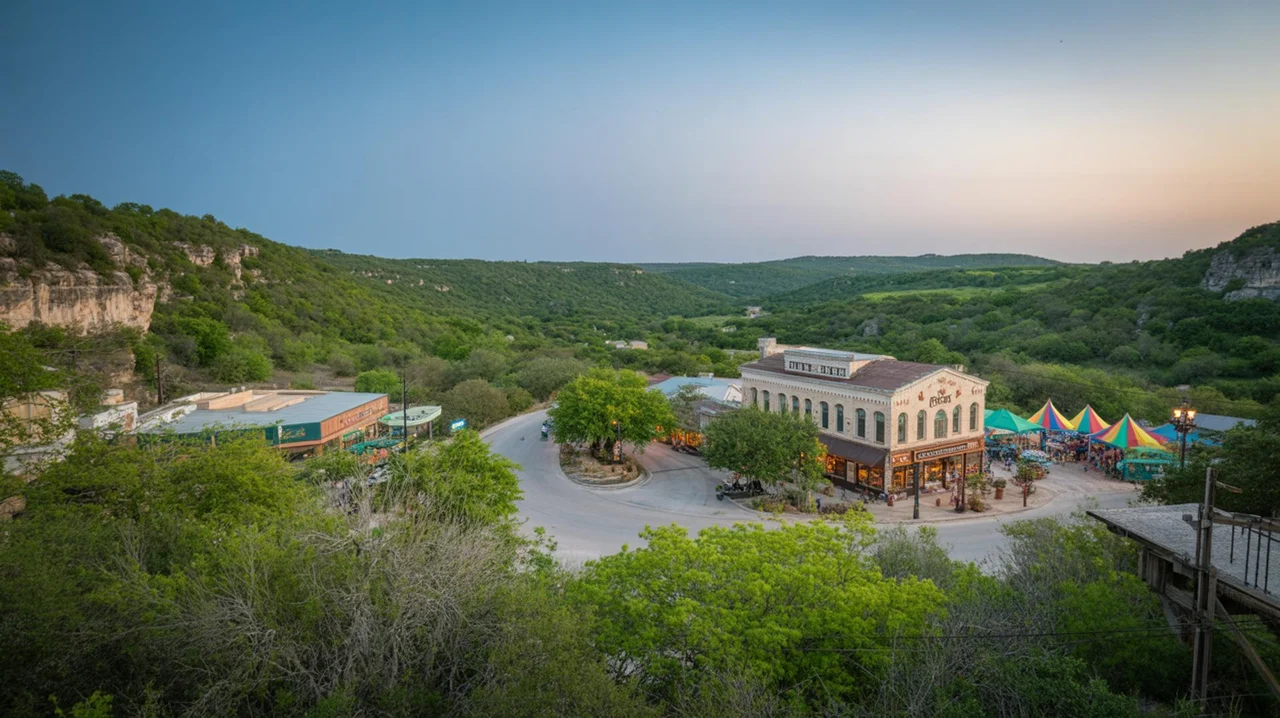
Helotes occupies the northwest corner of the San Antonio metro where Bandera Road climbs into the Hill Country. The city is relatively young as a commercial market - most of its commercial development occurred after 2000, driven by the affluent residential growth in the northwest Bexar County corridor (Shavano Park, Stone Oak, the Dominion). The commercial inventory reflects that demographic: medical offices, professional services, upscale retail, fitness and wellness facilities, and the restaurant and entertainment development along Bandera Road near the Leon Creek greenway.
The commercial buildings in Helotes are newer and generally smaller in footprint than the IH-35 corridor commercial. But their Hill Country edge location creates a distinct roofing challenge. Helotes receives the leading edge of storm cells that track off the Edwards Plateau southeast toward the city - higher sustained wind speeds, larger hail, and more frequent freeze events than the Bexar County urban core. These buildings were designed to current code, but current code minimum is not the same as what we recommend for long-term performance in this exposure zone.
Our San Antonio office is or IH-10 and FM 1560. We pull City of Helotes permits for properties within city limits and Bexar County permits for ETJ properties. Emergency dry-in calls are same-day.
Helotes Commercial Inventory by Zone
Bandera Road Corridor (Helotes City Center): The primary commercial spine. Driven by the HEB on Bandera Road and the surrounding strip-center satellite development. Medical office buildings near the Helotes intersection with Shaenfield Road. Restaurant and entertainment businesses along the Bandera Road frontage in the Old Town Helotes area. Most of this inventory was built between 2005 and 2020. TPO 60-mil is the dominant system. These are in first or second-generation warranty maintenance cycles.
Old Town Helotes (6th Street and Bandera Road): The historic commercial core - small-scale retail buildings, restaurants, and entertainment venues in the pedestrian core of old Helotes. The Floore's Country Store dance hall on Old Bandera Road is the cultural anchor. Buildings in this zone are older and more varied in construction than the Bandera Road strip-center inventory. Some have been adapted from original residential or agricultural structures and have non-standard rooflines.
FM 1560 Commercial Corridor: Newer commercial development along FM and IH-10 corridors. Medical offices, service retail, and professional services buildings from the 2010s growth wave. These are among the newest commercial buildings in Helotes and are in early warranty maintenance cycles.
Helotes / Shavano Park Medical Office Zone: A concentration of medical office buildings along the Bandera Road / Shavano Park boundary. Multi-tenant medical office buildings with concentrated rooftop HVAC equipment. The equipment density creates flashing complexity and a high frequency of penetration additions as tenants turn over. We have scoped and maintained roofing on several buildings in this zone.
Hill Country Edge Roofing Conditions in Helotes
Edwards Plateau karst and limestone substrate: Helotes sits directly on the Edwards Plateau karst formation. The same limestone karst conditions that affect Boerne are present in Helotes - and in some locations more pronounced because Helotes is closer to the escarpment edge. Differential settlement driven by karst solution features shows up over time in parapet racking and drain misalignment. We design flexible flashing details at stress concentration points and flag structural-movement distress patterns in every inspection report.
Hill Country leading-edge wind and hail exposure: Helotes receives storm cells before they moderate over the urban heat island. The Balcones Fault scarp to the northwest of Helotes acts as a triggering mechanism for convective development - storms that form at the escarpment edge can produce large hail and high sustained winds before they track southeast. We have documented hail events at Helotes buildings where downtown San Antonio saw minimal damage from the same storm system. We specify 80-mil TPO or HD cover boards with impact-resistant ratings on all new Helotes commercial installations.
Freeze and ice: At 1,100 feet elevation on the northwest edge of the Bexar County urban area, Helotes experiences harder and more sustained freeze events than the downtown core. February 2021 Uri caused significant damage to Helotes commercial buildings - flashing detail failures, pitch pocket cracking, and seam-weld stress fractures on roofs that had not been designed for sustained subfreezing temperatures. We inspect explicitly for Uri-related latent damage on any pre-2021 Helotes roof.
IH-10 / Loop 1604 proximity and commuter commercial demand: Helotes commercial activity is partly driven by its role as a gateway stop for northwest Bexar County commuters. This creates a commercial model that is restaurant, medical, and service-retail heavy - with the operational constraints those building types impose. Restaurant roofs need active grease-trap ventilation and exhaust penetrations managed to prevent flashing failure. Medical office roofs have complex HVAC equipment configurations.
Frequently asked questions
How quickly can you respond to a roof emergency in Helotes?
Same-day mobilization for confirmed commercial emergencies. Helotes is or IH-10 and FM 1560. The Hill Country storm cells that produce hail and wind events at Helotes move fast - we can mobilize before a confirmed event for buildings on our maintenance contracts when NWS watches are posted for the northwest Bexar County area.
Do you pull City of Helotes building permits?
Yes. We pull City of Helotes permits for all replacement work and repair work above the permit threshold. For properties in the ETJ north of the city limits toward Leon Valley or west toward Bexar County, we pull Bexar County permits. The City of Helotes Building Department processes commercial permits. We handle the application, required inspections, and closeout.
Why does Helotes seem to get worse hail damage than the San Antonio urban core in the same storm events?
Helotes sits at the leading edge of storm cells that form along the Balcones Escarpment. Hail is largest at the storm's origin point - before the hailstones melt as the storm tracks southeast over the warmer urban area. A storm that drops two-inch hail at Helotes may deliver three-quarters-inch hail by the time it reaches downtown San Antonio twenty minutes later. This is a structural feature of the San Antonio metro's storm geography, and it is why we treat Helotes buildings as requiring a higher hail-resistance specification than the IH-35 corridor commercial.
What membrane thickness do you recommend for new Helotes commercial buildings?
For most Helotes commercial buildings, we recommend 80-mil TPO rather than the standard 60-mil. The additional cost over 60-mil is modest - typically three to five percent of total installed cost - and the benefit in puncture resistance, hail resistance, and extended warranty life is significant for a building in Helotes's exposure zone. We specify 80-mil with HD polyiso cover board as the baseline Helotes specification.
Helotes commercial roof inspection or scope?
Our project managers will walk the roof, document hail and weather exposure conditions, and produce a written scope - for capital planning, warranty support, or insurance documentation.
Request a Roof Scope