
 Clear scope. Clean execution.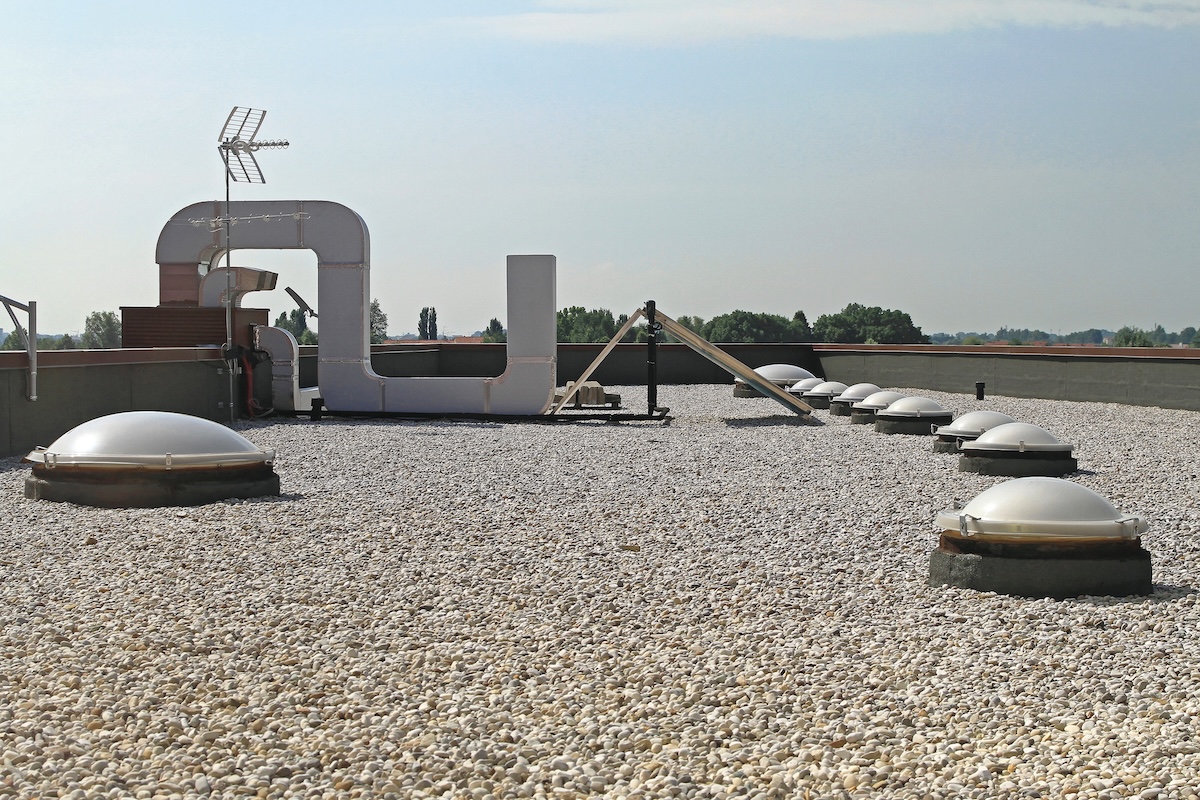
Built-up roofing - alternating layers of bitumen and reinforcing felt or ply sheet, topped with a gravel or mineral surface cap - was the dominant commercial flat roofing system installed in San Antonio from the 1950s through the early 1990s. The buildings that carried those original BUR systems are in late-cycle or past-life condition now. They are concentrated in the downtown Riverwalk hotel corridor, across the South Texas Medical Center campus buildings on Fredericksburg Road that predate the modern Methodist and Baptist Health System hospital construction, and throughout the older retail and light industrial inventory on the IH-35 North and South corridors.
We work BUR in two modes. The first is honest assessment: we walk the roof, pull core cuts at representative locations, document blister patterns and alligatoring, and tell the owner whether the BUR is genuinely end-of-life or whether targeted repairs plus a coating or recover system can extend it cost-effectively. The second mode is replacement: when the BUR has failed or is too degraded to recover, we tear it off, document the deck condition beneath, and replace it with the system that fits the building's capital horizon - typically TPO, modified bitumen, or on occasion silicone-coated BUR where the owner has a specific reason for continuity.
San Antonio's climate accelerates BUR aging in a way that milder markets do not see. Surface temperatures on dark gravel BUR membranes routinely exceed 165°F in July and August - that sustained thermal load softens and oxidizes surface bitumen faster than in the city's original BUR design assumptions from the 1960s and 1970s. We account for this in our remaining-life estimates: a 25-year-old BUR in San Antonio may have less remaining useful life than the same-age system in a cooler climate.
What BUR Failure Looks Like - and What It Does Not
BUR roofs age in predictable patterns. Alligatoring - the cracked, scaly surface texture that develops as surface bitumen oxidizes - is cosmetically alarming but structurally normal on an aging BUR surface and does not by itself require immediate replacement. Blistering - bubbles under the surface, typically 6 to 18 inches across - develops as moisture vapor or trapped air accumulates between plies. Closed, firm blisters can be monitored; blisters that have opened or are actively growing indicate moisture migration and require action.
Core cuts are the definitive diagnostic tool. We pull 3-inch core plugs at representative locations - typically one per 5,000 square feet, with a minimum of six cores on any BUR we evaluate regardless of size. Each core is inspected visually for moisture content and felt delamination, and photographed in place before the plug is replaced. A BUR roof with dry plies and intact gravel surfacing in good contact with the cap sheet has remaining life. A roof with wet plies or delaminated felts is a replacement scope, not a repair scope.
Ponding water on San Antonio BUR systems accelerates deterioration faster than on reflective single-ply because the standing water retains heat against an already-hot surface and introduces biological growth that breaks down the felt plies. San Antonio's limestone karst drainage patterns create low points on many flat commercial roofs that the original design did not address. We document ponding zones and drain adequacy in every BUR inspection and include them in the written report - because a recover system installed over chronic ponding will fail at the wet spots within a few years regardless of the membrane quality.
BUR Replacement - When It Is the Right Call
The clearest replacement indicators on San Antonio BUR roofs: more than 25% of core cuts reading wet insulation, multiple active leak points that have recurred after prior repairs, gravel cap sheet with broken contact to the underlying bitumen across more than a third of the field area, or deck deterioration found during core investigation. Older San Antonio commercial buildings - particularly the early-1970s hotel and office construction that coincided with the HemisFair '68 development and the subsequent convention center expansion - often have 1.5-inch corrugated metal deck that may show section corrosion when we open a core investigation port.
When we scope BUR replacement on a downtown San Antonio building or an older medical corridor building, the first decision is what system replaces it. TPO is the most common choice for buildings where the owner wants a reflective surface, a 20-year NDL manufacturer warranty, and a lower installed cost than other alternatives. Modified bitumen is appropriate when the building owner wants proven performance continuity with the existing BUR base plies and a system that handles San Antonio's high-traffic and equipment-dense rooftops. We present both options with warranty terms, lifecycle costs, and drain compatibility before the owner makes a decision.
Buildings in the Riverwalk hotel corridor and near Alamo Plaza create specific replacement planning requirements: crane staging on the street often requires City of San Antonio right-of-way permits and coordination with the Office of Historic Preservation when visible exterior elements near the historic district could be affected. We flag these requirements in the scope and account for the permit timeline before any production schedule is finalized.
BUR Recover vs. Full Tear-Off
If core cuts come back dry and the BUR surface is in fair condition - no active blistering, no broken gravel contact, no open seams - a recover system can extend the asset significantly. The typical recover path on a qualifying San Antonio BUR roof is a modified bitumen cap sheet recover or a fluid-applied silicone coating over the existing BUR surface, extending roof life 10 to 20 years depending on the system and its warranty path.
Texas building code allows one recover layer over an existing roof before full tear-off is required at the next reroof. San Antonio buildings on the second or third reroof cycle - common on the pre-1980 downtown and medical corridor stock - may already have one recover layer from a prior mid-cycle intervention. Finding out a building is at the two-layer limit after a new membrane has been ordered is a project-stopping problem. We identify the layer count during core investigation and document it in every written BUR report, before any contract is signed.
One San Antonio-specific complication on BUR tear-offs: gravel-surface BUR generates substantial debris volume and requires rooftop vacuum equipment or staging containers on buildings with constrained street access. Downtown buildings near Commerce Street and the Market Square district have limited dumpster placement options and may require after-hours debris removal to avoid conflict with the Riverwalk pedestrian and tourist traffic. We plan the debris logistics in the pre-construction discussion, not after the crew arrives.
Frequently asked questions
Can you repair a leaking BUR roof without full replacement?
Sometimes. If the leak is isolated to a failed flashing at a penetration or parapet, and core cuts confirm the BUR field plies are dry, targeted repair is the right scope. If the leak is coming from failed plies in the field of the roof, patching the obvious wet spot without addressing the underlying ply failure produces another leak within 12 to 18 months. We will tell you which situation you are in - in writing - before proposing a scope.
Is built-up roofing still installed new in San Antonio?
Rarely for new commercial construction. Modified bitumen achieves similar performance with less installation complexity and without the hot kettle and asphalt fume exposure that BUR requires. We can specify and install new BUR if a building's situation requires continuity with existing plies, but for most San Antonio commercial buildings modified bitumen or TPO is the honest recommendation for new work.
How does San Antonio's heat affect a BUR roof's remaining life estimate?
Significantly. Surface temperatures on dark BUR membranes in San Antonio regularly exceed 165°F in July and August - sustained thermal load that oxidizes the surface bitumen faster than in cooler markets. We apply a climate adjustment to our remaining-life estimates for San Antonio BUR roofs. A system that might have 8 years of remaining life in Chicago may have 4 to 5 years here, and we say so directly in the written assessment.
Aging BUR on a San Antonio commercial building?
We will walk the roof, pull core cuts, and produce a written assessment - replace vs. recover, with system options, installed cost bands, and warranty paths. No obligation.
Request a Roof Scope