
 Clear scope. Clean execution.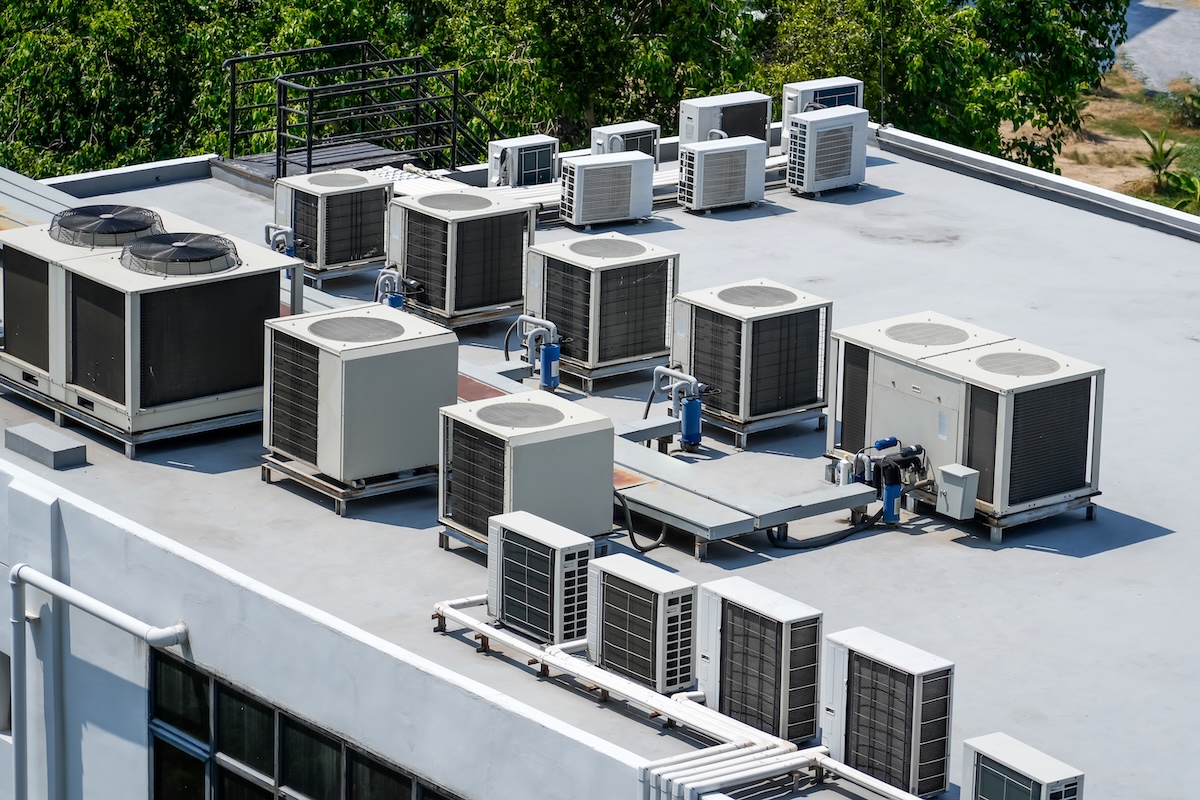
Office Building Roofing in San Antonio, TX
Valero Energy Corporation's headquarters at One Valero Way in San Antonio is one of the largest Fortune 500 corporate headquarters campuses in Texas, and the roofing demands of a major energy company's occupied corporate campus illustrate everything San Antonio office building owners must understand about managing a large commercial roof in a hot, storm-prone Texas climate. Class A office buildings throughout San Antonio - from the downtown towers along Commerce Street to the suburban corporate campuses of the Northwest corridor - face roofing requirements shaped by extreme heat, hail risk, and Texas's energy code framework.
Occupied building protocols for San Antonio office buildings are dominated by the summer heat that makes HVAC continuity a genuine operational necessity from April through October. The daily shut-down protocol for a San Antonio office re-roof must include an afternoon heat-watch component: any rooftop HVAC isolation work should be reinstated at least two hours before peak afternoon temperature, which on a San Antonio summer afternoon regularly reaches 100 to 104 degrees Fahrenheit. Require that the contractor's daily operations plan specify the latest time that equipment isolation is permitted on any given day, and that plan must be reviewed and approved by the building's facilities manager before each phase of equipment-area work begins.
LEED options are increasingly relevant in San Antonio's Class A office market. CPS Energy, San Antonio's municipal utility, offers commercial energy efficiency incentives for buildings that achieve qualifying energy performance improvements. A white TPO membrane - already required by Texas energy code for climate zone 2A - combined with above-code R-25 or R-30 insulation, can qualify for CPS Energy rebates that offset a significant portion of the premium insulation cost. For LEED-seeking buildings, the combination of a high-SRI membrane and above-code insulation provides Energy and Atmosphere credits, and improved stormwater management details can support Sustainable Sites credits.
HVAC coordination on a San Antonio office building is particularly complex because the city's geography and development pattern produce buildings with large rooftop equipment densities - sprawling single-story or low-rise campuses like the Valero or USAA facilities require hundreds of rooftop units rather than the single central plant that a vertical high-rise employs. Phasing equipment isolation across a campus with 50 or 100 packaged units requires a detailed isolation sequence that maintains climate control for occupied wings while adjacent wings are being re-roofed. Coordinate this sequence with the building's mechanical contractor and facilities team before the roofing contract is executed.
Texas energy code (2021 IECC, climate zone 2A) requires minimum R-20 CI and cool-roof reflectance compliance for large commercial office buildings in San Antonio. Bexar County and the City of San Antonio both enforce these requirements at permit. CPS Energy's commercial programs incentivize above-code performance; the most cost-effective upgrade from code minimum for a San Antonio office building is typically increasing insulation from R-20 to R-25, which CPS Energy's rebate program often partially funds and which typically pays back the incremental cost within four to six years at commercial electric rates.
Lease obligations in San Antonio's diverse commercial real estate market include provisions from a wide range of tenant types: military-adjacent contractors at the former bases, healthcare organizations, financial services firms, and technology companies. USAA's massive campus on USAA Boulevard and other large defense and finance campuses have extremely detailed lease provisions about construction work near occupied sensitive facilities. Review all active leases with legal counsel before scheduling any roofing project, and be particularly careful about construction near data center areas, trading floors, or security-controlled spaces where overhead work may trigger physical security review requirements.
Texas does not have a state roofing contractor specialty license, making contractor due diligence especially important in the San Antonio market. Verify current general liability insurance (minimum $2 million for a large office project), workers' compensation coverage, bonding, and manufacturer-approved contractor status before contract execution. The City of San Antonio Development Services Department and Bexar County each require permits and inspections for commercial roofing; confirm which jurisdiction applies to your project before the pre-application stage, as some suburban San Antonio properties straddle city and county boundaries.
Preventive maintenance on a San Antonio office building roof must include pre-storm-season preparation in March, mid-season inspection in June, and post-storm assessments after any hail event above three-quarters of an inch or any weather system delivering sustained winds above 50 mph. The hill country north of San Antonio generates hailstorms that regularly reach downtown and the northwest corporate corridor; establish a post-hail assessment protocol with your maintenance contractor that triggers within 48 hours of any qualifying event. Budget $0.13 to $0.19 per square foot annually for a San Antonio Class A office building roof.
Contractor selection for San Antonio office buildings should prioritize hail resistance specification knowledge, summer HVAC isolation management experience, and CPS Energy program familiarity. References from other San Antonio corporate campus operators - particularly those managing large USAA, Valero, or USAA-adjacent facilities - are the most relevant qualification benchmark for this specific high-stakes, high-complexity market.
- What energy code applies to San Antonio Class A office buildings?
- San Antonio is in IECC 2021 climate zone 2A, requiring R-20 CI and cool-roof reflectance compliance for large commercial office buildings. CPS Energy offers commercial rebates for above-code insulation, making an upgrade to R-25 frequently cost-justified through combined rebates and energy savings within four to six years.
- How should San Antonio office building HVAC be protected during summer roofing work?
- Schedule all HVAC isolation work for early morning and ensure all systems are fully reinstated at least two hours before peak afternoon temperature. Require a written daily operations plan from the contractor specifying maximum isolation windows and reinstatement protocols. Never permit HVAC isolation during peak summer hours without a tested temporary cooling backup plan.
- What hail protection should San Antonio office building roofs have?
- FM 4473 Class 4 hail impact resistance is appropriate for San Antonio's hail-exposed location. Specify 60-mil minimum TPO with documented Class 4 certification. Establish a post-hail inspection protocol that triggers within 48 hours of any qualifying event - early damage documentation is essential for insurance claim management.
- Does CPS Energy offer incentives for San Antonio office building roof improvements?
- Yes. CPS Energy's commercial energy efficiency program offers rebates for qualifying cool-roof and above-code insulation installations. Confirm current program requirements at the specification stage and apply before construction begins; post-construction applications may not qualify for the full incentive amount.
- Does Texas require a roofing contractor license for San Antonio office building projects?
- Texas has no state roofing contractor specialty license. Verify general liability insurance (minimum $2 million), workers' compensation, bonding, and manufacturer-approved contractor status independently before contract execution. For large Class A office projects, also require proof of the contractor's experience with occupied-building protocols and references from comparable San Antonio commercial projects.